
Vein problems can start subtly—swollen ankles after a long day, mild leg discomfort, or veins that look slightly darker than usual. Over time, those symptoms may develop into bulging varicose veins, burning sensations, or persistent heaviness that impacts your daily routine. Knowing when to see a vascular doctor is essential because early diagnosis leads to effective, minimally invasive treatment. At Vein Treatment New Jersey, patients receive personalized evaluations and modern care from an experienced vein treatment specialist who understands how veins function and what can go wrong.
What Kind of Doctor Is a Vein Specialist?
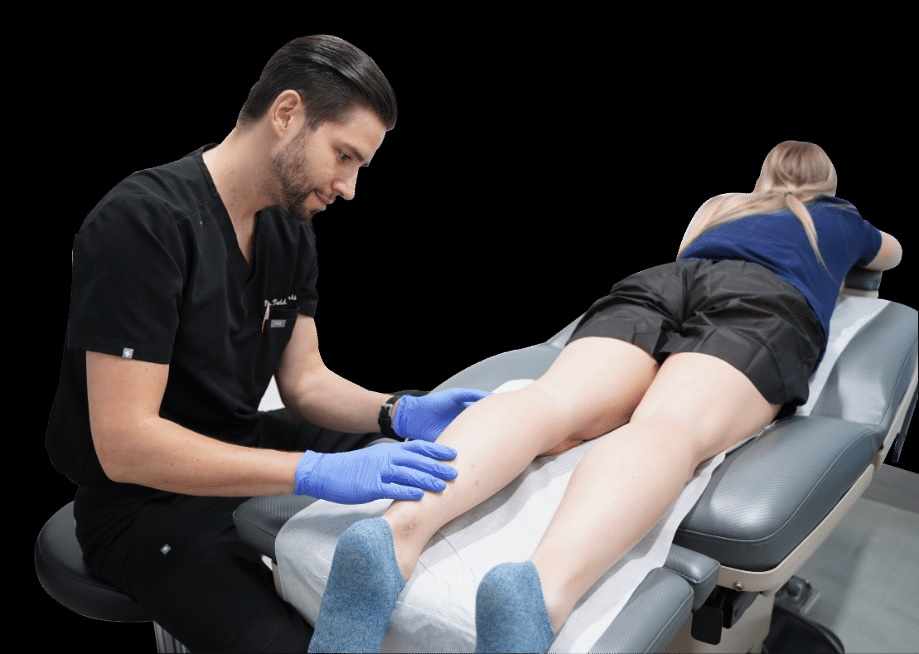
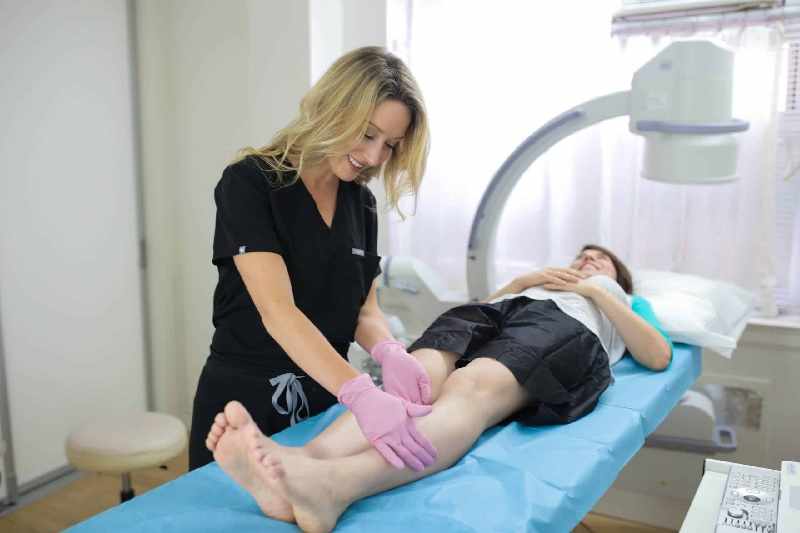
Many people search online for “vein treatment near me” and wonder what type of doctor they should look for. A vein specialist is typically a board-certified physician trained in vascular medicine, interventional radiology, or vascular surgery. These doctors have advanced expertise in diagnosing and treating conditions like spider veins, varicose veins, venous insufficiency, and blood clots.
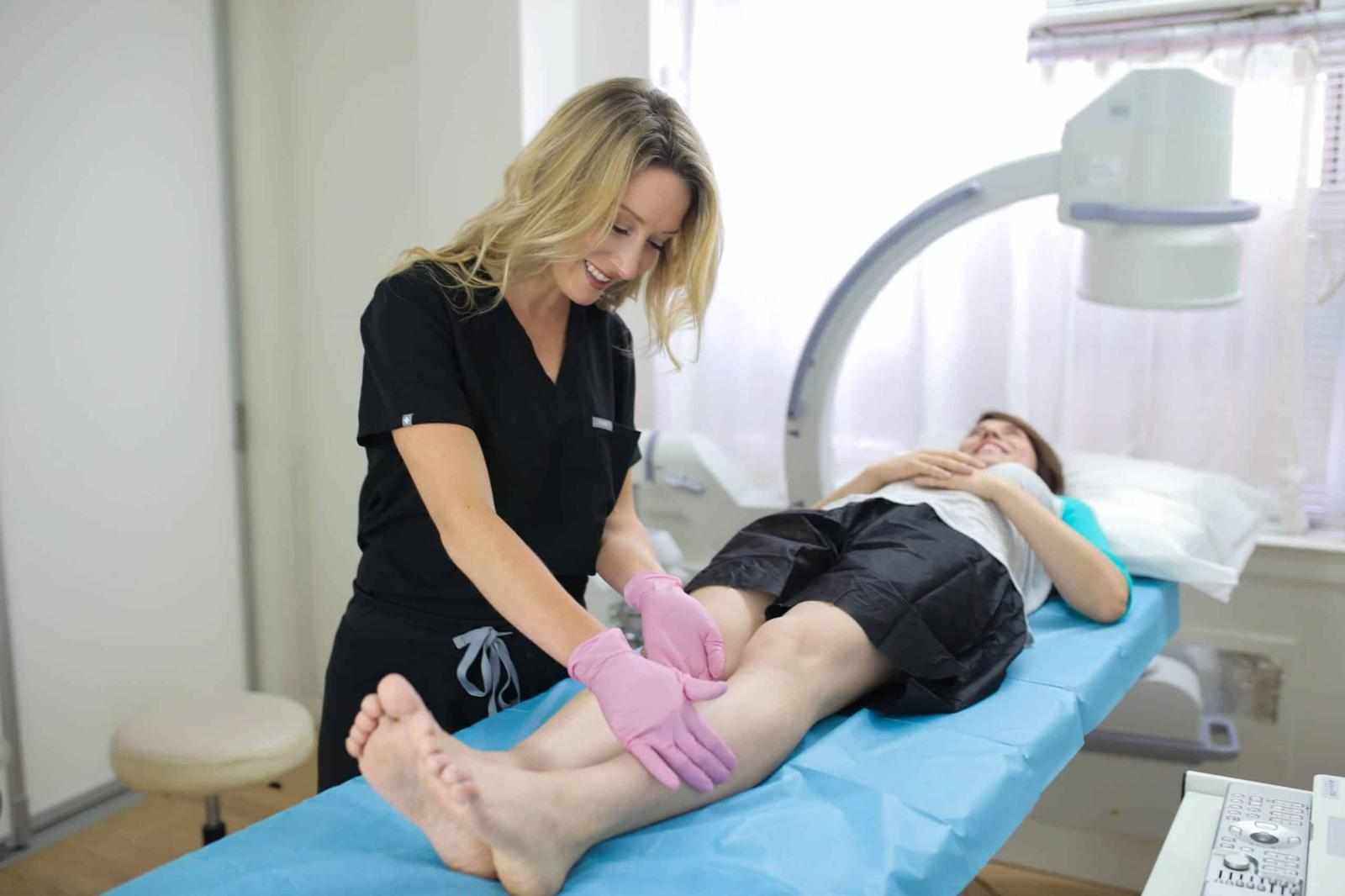
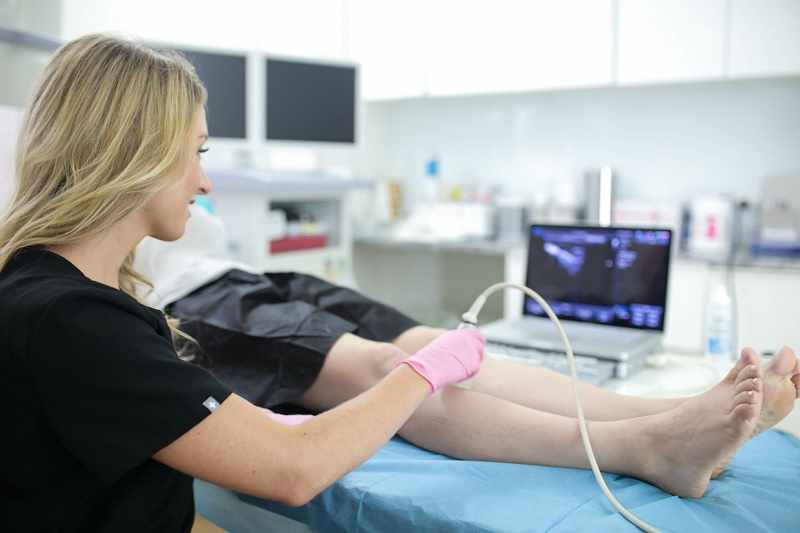
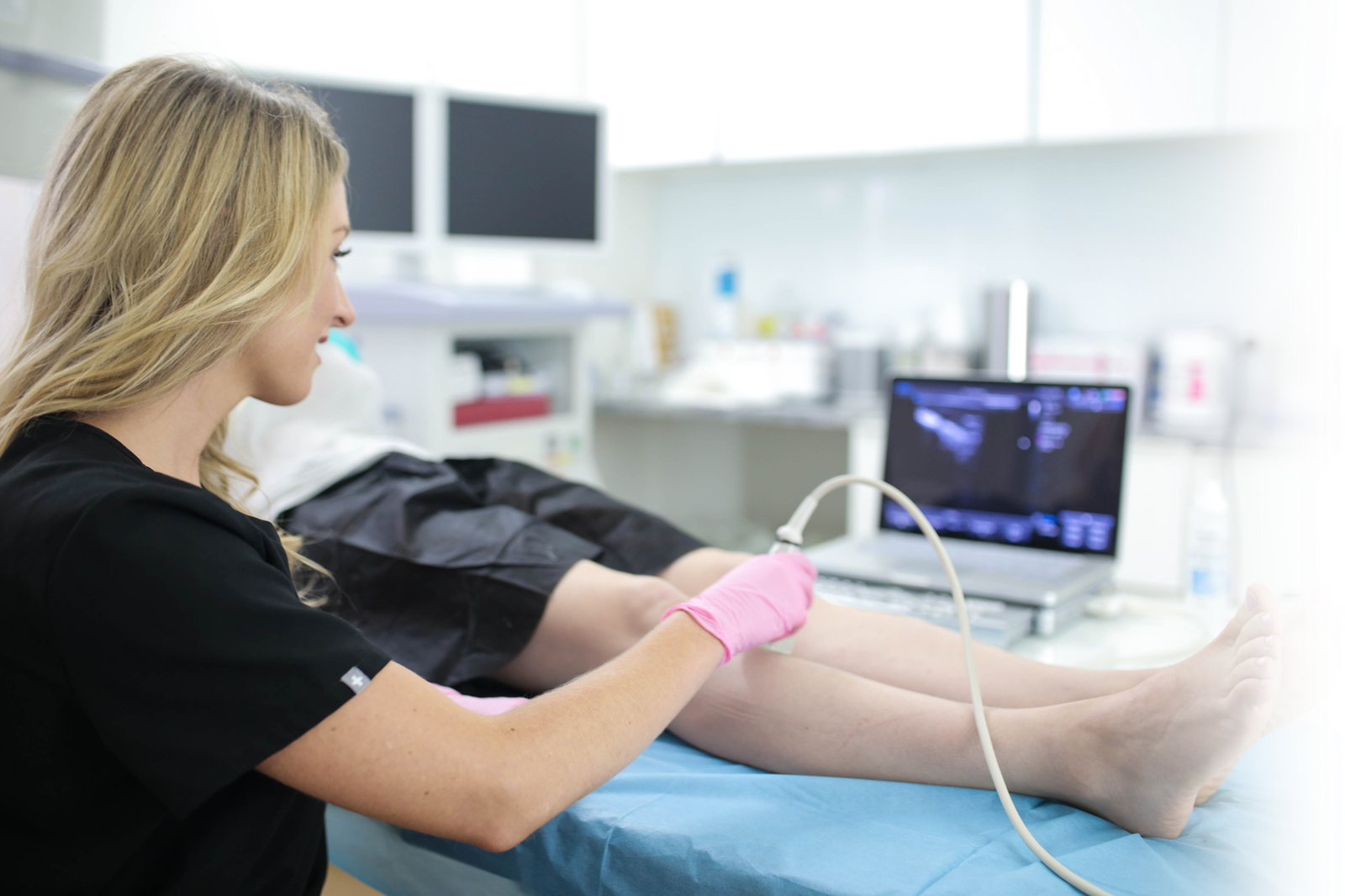
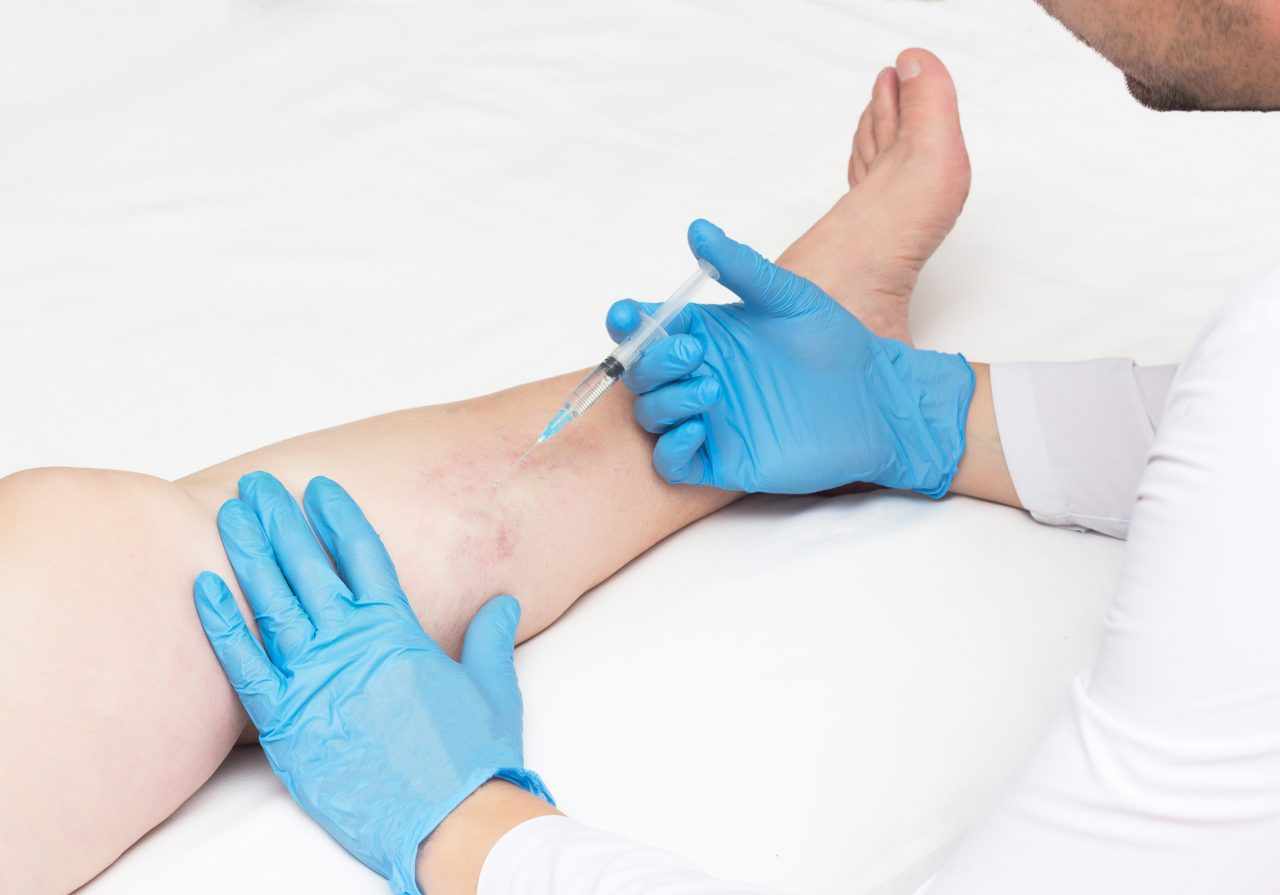
A true vein treatment specialist doesn’t just focus on the cosmetic appearance of veins; they treat the underlying medical problem causing your symptoms. At Vein Treatment New Jersey, specialists use ultrasound-guided diagnostic tools and modern non-surgical procedures such as radiofrequency ablation, sclerotherapy, and laser therapy to restore healthy blood flow.
Early Signs You Should See a Vascular Doctor
You don’t need severe symptoms before scheduling an appointment. In fact, early evaluation helps prevent complications. Here are some common signs that indicate it’s time to see a vein specialist:
1. Visible Varicose or Spider Veins
If you notice veins that twist, bulge, or appear dark purple or blue, your circulation may already be impaired. While some people assume varicose veins are only cosmetic, they often reflect underlying venous insufficiency. A vascular doctor can determine whether your veins require treatment to prevent progression.
2. Leg Heaviness and Fatigue
Legs that feel tired, heavy, or weak—especially toward the end of the day—can signal poor venous circulation. This symptom often worsens after standing or sitting for long periods. A vein specialist can identify if faulty valves in your leg veins are causing the issue.
3. Swelling in the Ankles or Lower Legs
Chronic swelling is one of the earliest and most overlooked signs of vein disease. When your veins don’t return blood efficiently, fluid can pool in your lower legs, leading to swelling known as edema. A vascular evaluation helps pinpoint the cause and prevent worsening symptoms.
4. Burning, Tingling, or Aching Pain
Discomfort that feels like burning, throbbing, or aching often indicates venous reflux. These sensations may increase with activity or prolonged standing. Early treatment reduces the risk of complications like inflammation and skin changes.
5. Skin Discoloration or Texture Changes
If the skin around your ankles becomes dry, itchy, or discolored, this can signal advancing vein disease. Over time, untreated venous insufficiency can lead to hardening of the skin (lipodermatosclerosis) or open leg ulcers. A vascular doctor can treat the underlying cause and prevent these painful conditions.
6. Restless Legs or Night Cramps
Restless legs syndrome and nighttime muscle cramps can occur when blood flow is compromised. Many patients find relief once they address the venous issue.
When Symptoms Become Urgent
Some symptoms require prompt medical attention:
Sudden leg swelling
Sharp, persistent leg pain
Warmth or redness along a vein
Hard, cord-like veins
These may indicate a blood clot or advanced venous disease. Searching for “vein treatment near me” and seeing a specialist immediately can protect your health and prevent complications.
Why Choosing the Right Specialist Matters
Not all doctors who treat veins are equally trained. Dermatologists, aestheticians, and cosmetic practitioners may offer vein procedures, but they often lack the medical expertise to diagnose deeper issues. When researching what kind of doctor is a vein specialist, always look for a board-certified physician with vascular training and experience treating venous insufficiency.
Vein Treatment New Jersey provides comprehensive vascular assessments and non-surgical treatments in a comfortable, patient-centered environment. Our specialists use state-of-the-art diagnostic tools to identify both cosmetic and medical vein problems and tailor treatment plans to each patient’s needs.
The Benefits of Early Vein Treatment
Seeing a vascular doctor early offers several advantages:
Minimally invasive procedures with no downtime
Relief from pain, swelling, and heaviness
Improved mobility and quality of life
Reduced risk of blood clots and ulcers
Better long-term cosmetic results
Most treatments take less than 30 minutes and allow you to return to normal activities the same day.
Finding the Right Vein Treatment Near You
If you’re experiencing symptoms—or even if you’re just looking for reassurance—a consultation with a vein treatment specialist can give you clarity. Searching for “vein treatment near me” will point you toward local doctors, but choosing a reputable center like Vein Treatment New Jersey ensures you receive expert care based on the latest medical research.
Take Control of Your Vein Health
Vein issues don’t go away on their own. If you’re noticing discomfort, swelling, visible veins, or any of the signs listed above, now is the time to consider when to see a vascular doctor. Early diagnosis and treatment protect your long-term health and help you feel confident in your legs again.



Write a comment ...